

Website Speed & UX: The Secret Performance Metrics Any Marketer Should Track
If your website takes forever to load, people click away faster than a hiccup. Today’s online audience has the patience of a goldfish with a caffeine habit. And for marketers, that means one thing: speed isn’t optional, it’s survival. But speed alone isn’t the whole picture. Great websites blend lightning-fast performance with an intuitive user experience. The trick lies in tracking the right metrics that tell you how your visitors feel, move, and act while they’re there.
Why Website Speed Is the Cornerstone of Conversion
 Page speed affects more than your bounce rate—it determines how long users stick around and trust your brand. Slow websites quietly bleed traffic, sales, and credibility. Even a one-second delay can send potential customers running for the hills. Think of your site as a storefront on a busy street. If it takes too long for the door to open, no one’s walking in. Fast pages give visitors the instant gratification they crave, and search engines reward that efficiency with better rankings.
Core Web Vitals: The Speed Metrics That Actually Matter
Google’s Core Web Vitals are not just technical buzzwords; they are key indicators for measuring how well a website performs. These are LCP or Largest Contentful Paint, CLS or Cumulative Layout Shift, and FID or First Input Delay. Each focuses on different aspects of user experience, such as loading speed, responsiveness, and visual stability. When pages shift or freeze during loading, visitors can get irritated and leave. Delayed button responses or moving layouts quickly test their patience. Keeping track of these metrics gives you a clear understanding of how smooth or frustrating your audience’s browsing experience really is.
User Experience: The Silent Salesman Behind Every Click
Good UX doesn’t shout—it whispers in comfort. It’s the smooth navigation, the readable fonts, and the sense that every button is right where you expect it. Users shouldn’t have to think too hard to find what they need. A positive user experience keeps people on your site longer and boosts engagement rates. It builds trust in subtle ways—like how a clean interface feels reliable, even if users can’t explain why. In marketing, trust quietly drives conversions.
The Hidden Metrics That Reveal User Frustration
There’s more to UX tracking than heatmaps and scroll depth. Look at metrics like Time to Interactive (TTI), Bounce Rate, and Session Duration. These reveal how quickly users can engage—and how long they decide to stay. For example, if people leave after a few seconds, something’s wrong. Maybe the design’s cluttered, or the page lags before becoming usable. These numbers don’t just point out issues; they show you where your audience loses interest.
How Design and Speed Work Hand in Hand
A visually appealing website means nothing if it’s as slow as molasses. Heavy images, unoptimized videos, and bloated code can ruin even the most beautiful design. Aesthetics and performance must live in harmony. Consider compressing visuals, using lazy loading, and simplifying layouts. The goal isn’t minimalism—it’s efficiency. A fast website with a thoughtful design makes every second count and every click worthwhile.
Turning Data Into a Faster, Friendlier Website
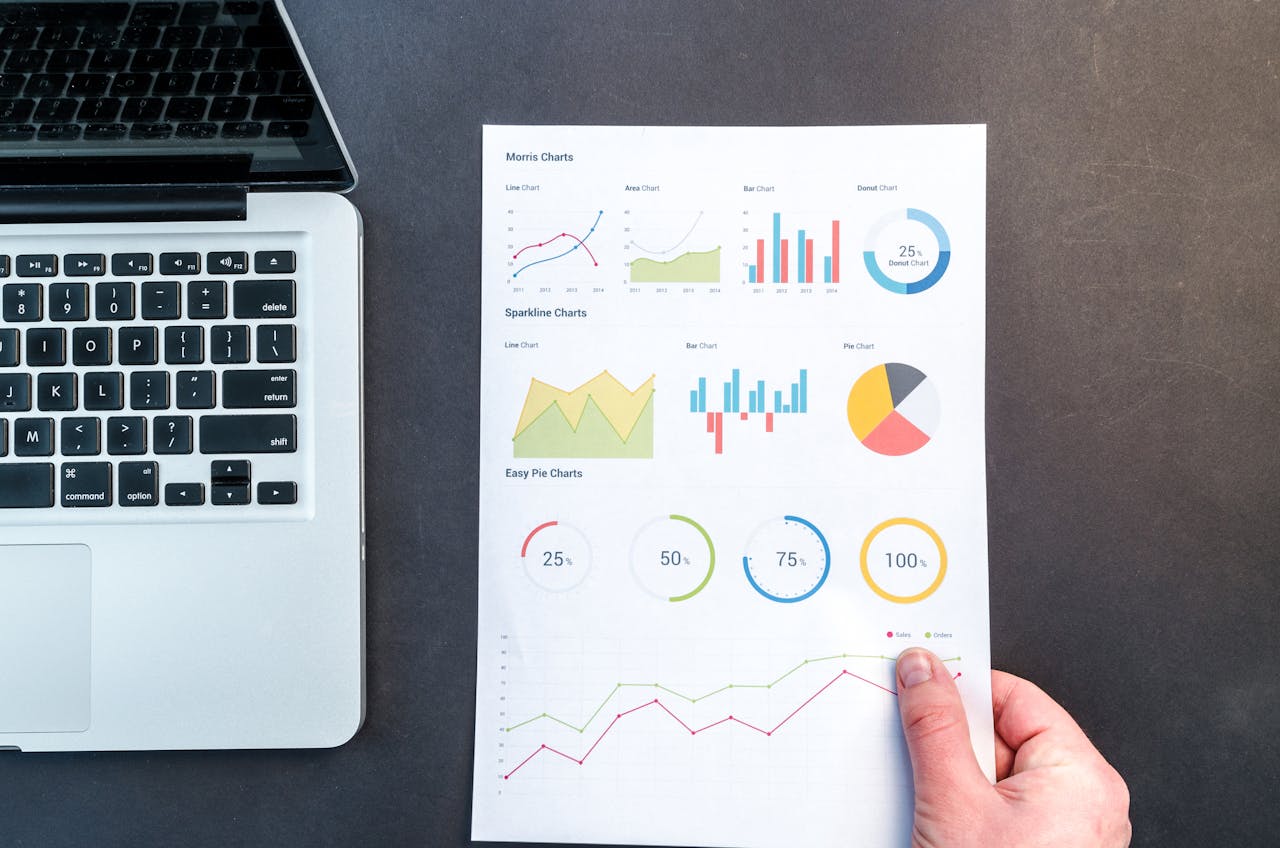
Metrics mean little without action. Track them consistently, interpret them honestly, and tweak your pages accordingly. Your data should guide improvements, not sit in a forgotten report. Speed and UX are like a dance between technology and empathy. Get both right, and your users will stay, engage, and convert with ease. Every marketer should see performance tracking not as maintenance, but as momentum.
Fast websites make happy users—and happy users make loyal customers. It’s a simple truth buried under gigabytes of analytics. So, track the right metrics, polish your UX, and let performance be your silent brand ambassador.